

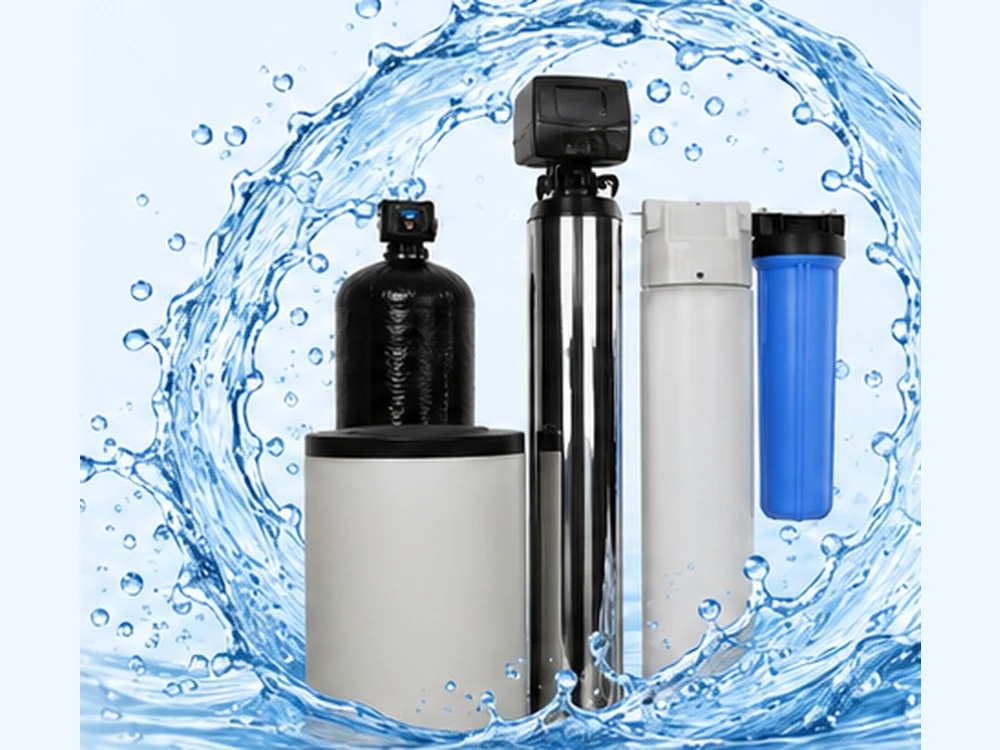
Whole-House Water Filtration
A point-of-entry system can address selected sediment, chlorine, taste, odor, or other concerns across the home when the media, flow rate and certified reduction claims match the water problem.
Explore this system →Research your provider, public-water-system ID, source water and current report—then compare whole-house filtration, water softeners, reverse osmosis and professional installation.
Verify the supplier and PWSID before interpreting utility data.
Separate surface water, groundwater, purchased water and private wells.
Match equipment to the exact model, contaminant and standard.
Testing, system selection, installation and financing in one path.
Tennessee water can differ by provider, source, treatment plant, distribution system, premise plumbing and private well. Start with evidence, then choose equipment.
A point-of-entry system can address selected sediment, chlorine, taste, odor, or other concerns across the home when the media, flow rate and certified reduction claims match the water problem.
Explore this system →
Ion-exchange softeners address hardness minerals that contribute to scale and soap inefficiency. A softener is not a universal contaminant filter.
Explore this system →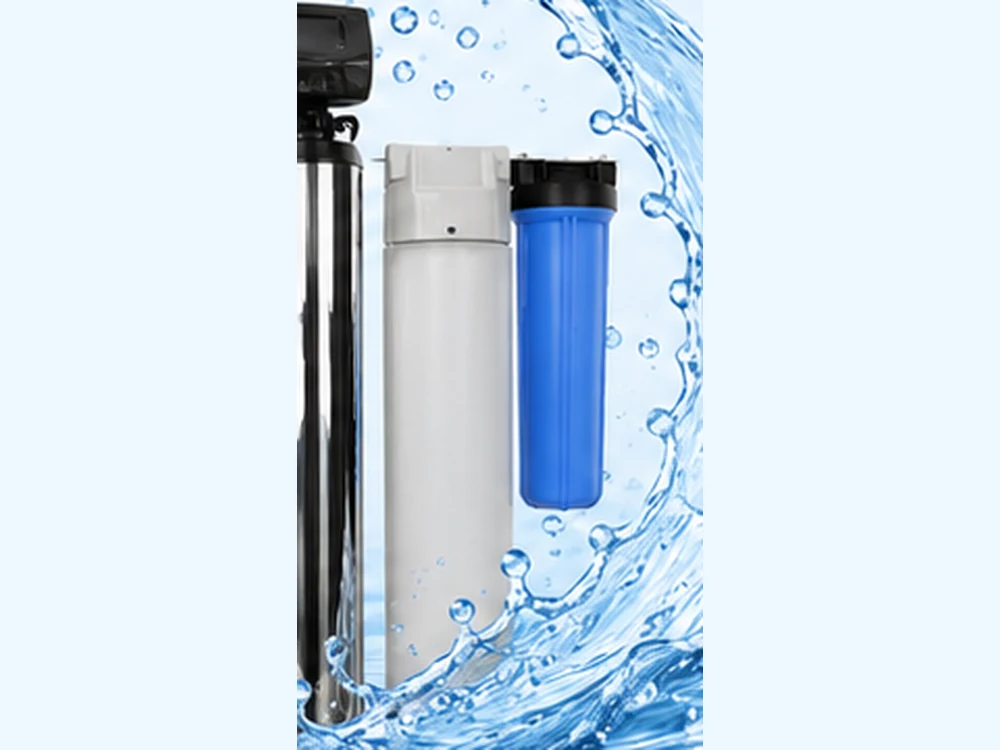
Point-of-use reverse osmosis can reduce selected dissolved contaminants when the complete model carries the appropriate certification and is maintained correctly.
Explore this system →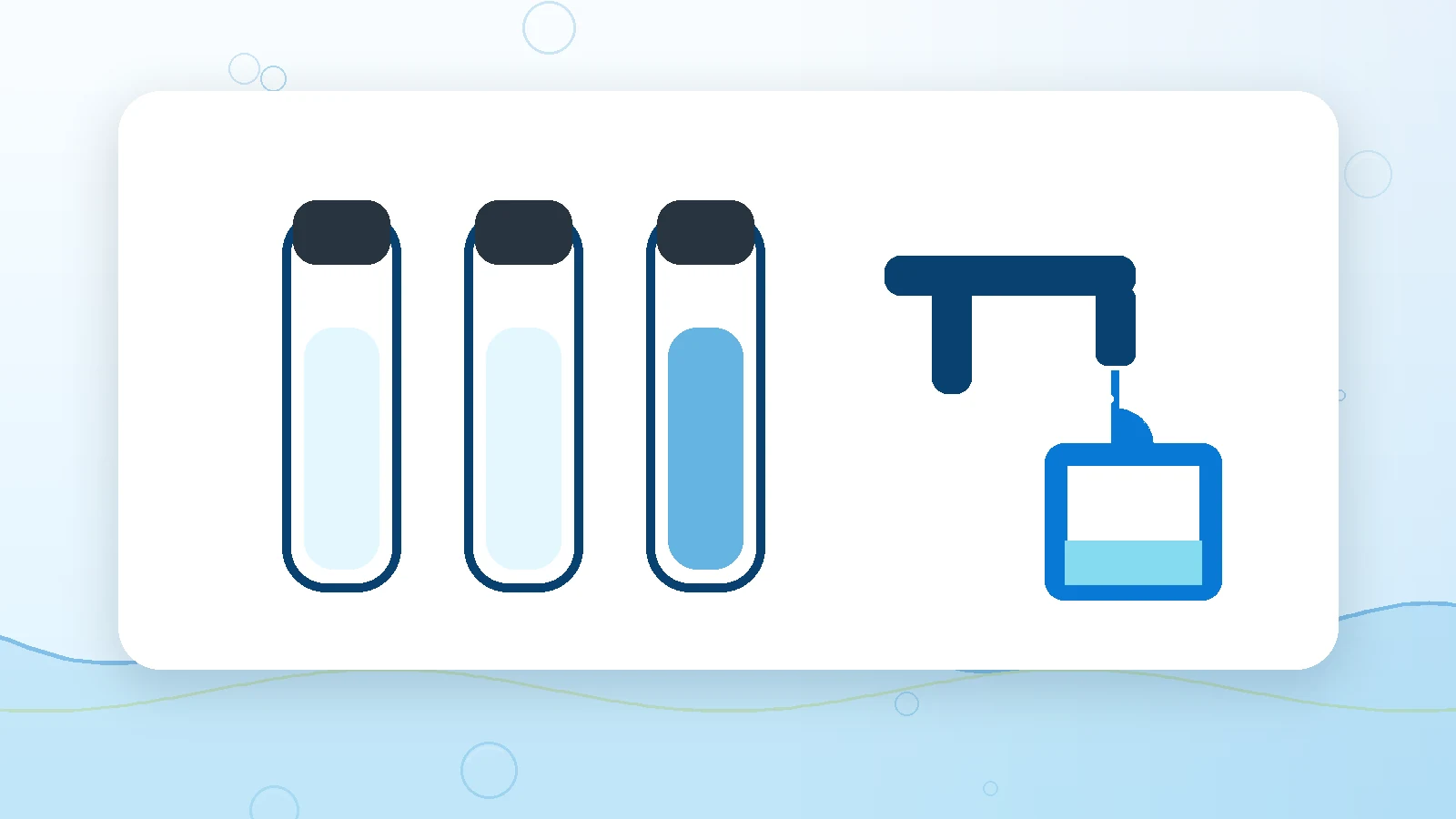
Under-sink and countertop systems focus treatment at drinking and cooking taps. Selection should follow testing, utility-report review and model-specific reduction claims.
Explore this system →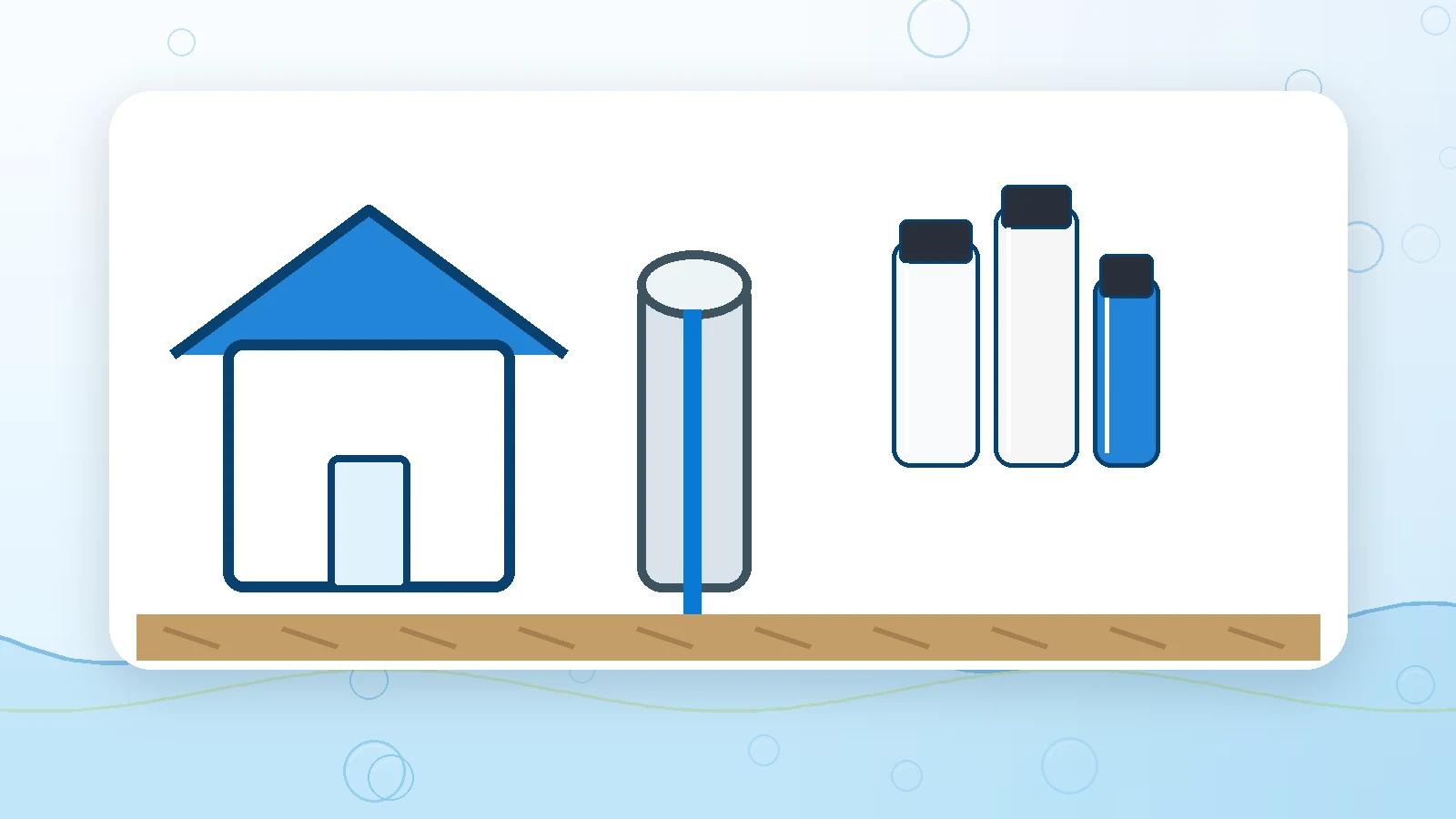
Private wells are not covered by the same routine public-system reporting. Testing should guide treatment for microbes, nitrate, metals, hardness, odor or other property-specific concerns.
Explore this system →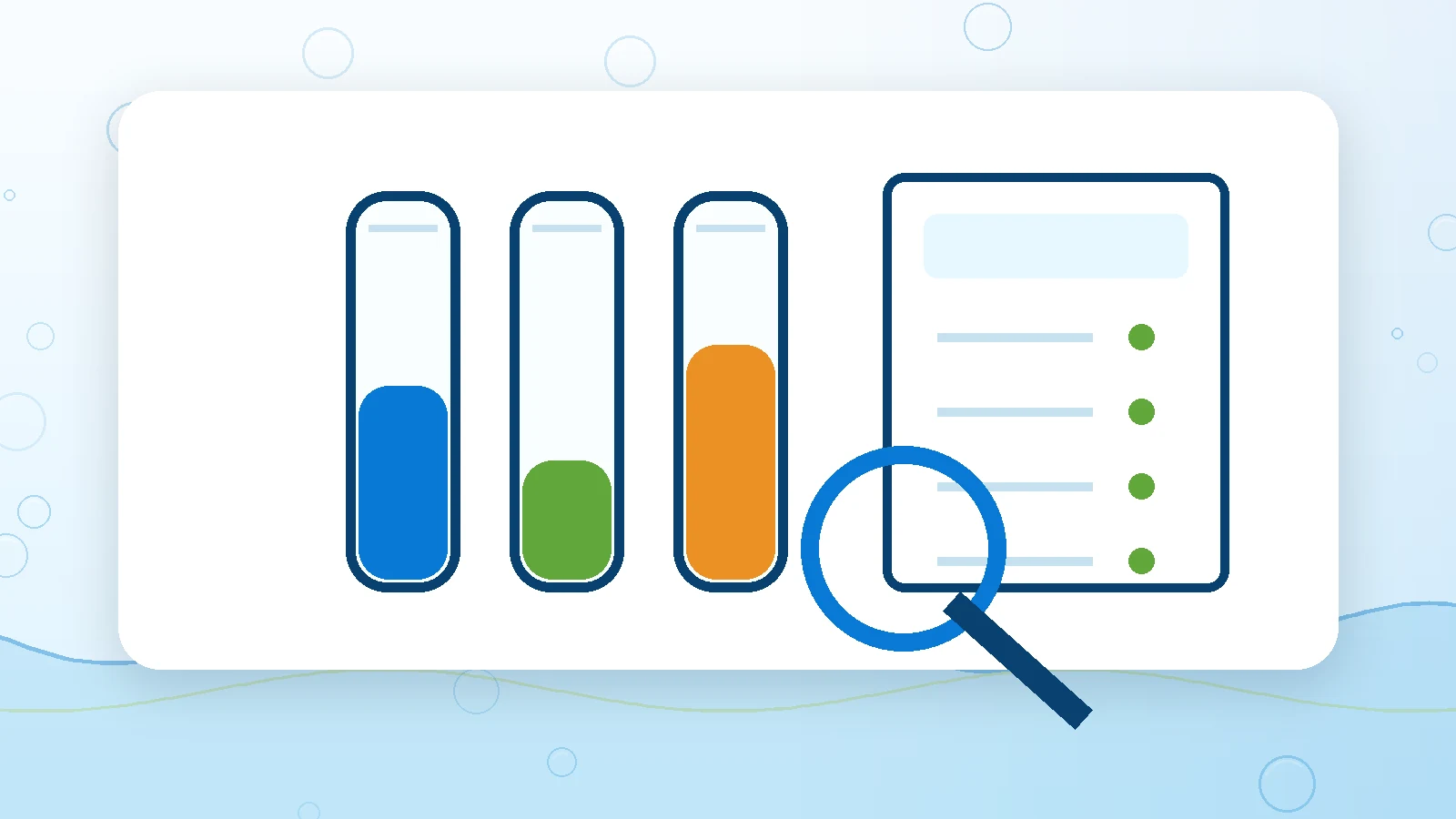
Testing can separate utility-wide information from conditions introduced by premise plumbing, a private well, treatment equipment or a particular household tap.
Explore this system →City names and ZIP codes are research starting points. The current water bill is the best first confirmation of the serving utility.
Davidson County
View city water guide →Shelby County
View city water guide →Knox County
View city water guide →Hamilton County
View city water guide →Rutherford County
View city water guide →Montgomery County
View city water guide →Washington, Carter and Sullivan Counties
View city water guide →Williamson County
View city water guide →Tennessee Drinking Water Watch, utility Consumer Confidence Reports, EPA occurrence data and system records can explain provider-level conditions. They do not prove the same result at every household tap.